



Vibrio Control in Shrimp: Go Beyond Simple Categorization, Rely on Dynamic Monitoring and Integrated Management
Vibrios are widely distributed in freshwater, seawater, and estuarine environments, being particularly common in marine and saline waters. They are facultative anaerobes, with most preferring high-salinity conditions, making them one of the dominant groups of marine bacteria.
When cultured on TCBS medium, vibrios typically form yellow or green colonies. In aquaculture, farmers often refer to them as "yellow vibrios" or "green vibrios." However, the colors yellow and green do not indicate a specific Vibrio species but rather represent groups of vibrios.

The most representative "yellow vibrio" is Vibrio alginolyticus (which turns green after 24 hours), while the most representative "green vibrio" is Vibrio parahaemolyticus. It is important to note that while TCBS is a selective medium for vibrios and offers practical guidance in aquaculture, it has its limitations.
Firstly, not all vibrios can grow and form colonies on TCBS. Secondly, some non-Vibriobacteria may also grow and form colonies on TCBS. Therefore, the reliability of using TCBS to quantify Vibrio counts in aquaculture water is debatable.
Vibrios are difficult to eradicate completely. Vibriosis remains a critical challenge in shrimp farming due to its rapid infection progression, fast spread, and high mortality rates. Once an outbreak spreads, it can cause severe losses. The culprit behind Acute Hepatopancreatic Necrosis Disease (AHPND) in shrimp is not a single species. Vibrio parahaemolyticus (the green vibrio) has a relatively high incidence rate.

Research indicates that AHPND is caused by a group of vibrios carrying the pVA1 plasmid, primarily V. parahaemolyticus. However, because this plasmid can be transferred between different Vibrio species, "yellow vibrios" can also acquire and carry the pVA1 plasmid. This allows them to produce the same toxin and cause disease in shrimp.
Vibrios primarily cause infection by adhering to the digestive tract or epidermal wounds, leading to inflammation and tissue damage, especially in the hepatopancreas and intestines. Therefore, emphasis should be placed on environmental management and hepatopancreatic and intestinal health protection. Vibrio spp. are opportunistic pathogens; there is no absolute safe threshold. Most pathogenic vibrios proliferate massively and lead to outbreaks of vibriosis only when environmental conditions deteriorate and shrimp are weakened.
Based on accumulated farming experience, several indicators can be referenced (these may vary depending on the farming model and stage):
- When the Vibrio count reaches 10²–10³ CFU/mL, it enters the warning zone. When it exceeds 10³ CFU/mL, it enters the danger zone, increasing the risk of infection.
- The ratio of Vibrio to total bacteria. Caution is advised when the total bacterial count in the water does not exceed 10⁶ CFU/mL and the Vibrio count is less than 5% of the total.
- Increased proportion of "green vibrios," especially if V. parahaemolyticus is detected. In such cases, vigilance is required regardless of the count.
Given the opportunistic nature of vibrios, the limitations of TCBS detection, the horizontal transferability of virulence genes, and the lack of standardized pathogenic concentration thresholds, relying solely on the above reference indicators is insufficient for preventing and controlling shrimp vibriosis.
Beyond focusing on pathogens, we must consistently monitor environmental factors and shrimp health.

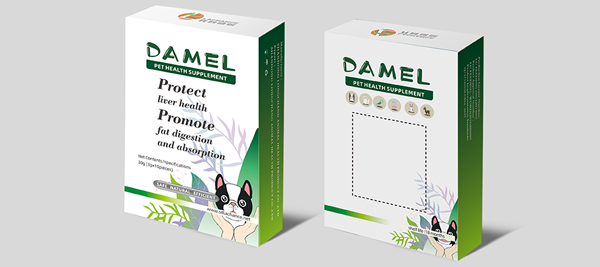
For environmental regulation, it is recommended to rationally use probiotics and carbon sourcesfor water quality management to help maintain a balanced algal and bacterial community. For health maintenance, focus on the health of the shrimp's hepatopancreas and intestines. Consider supplementing with RUNEON® Bile Acids + Eucommia ulmoides Extract. This combination supports liver and intestinal health, helps enhance shrimp stress resistance, and may potentially mitigate adverse effects caused by internal nitrite.
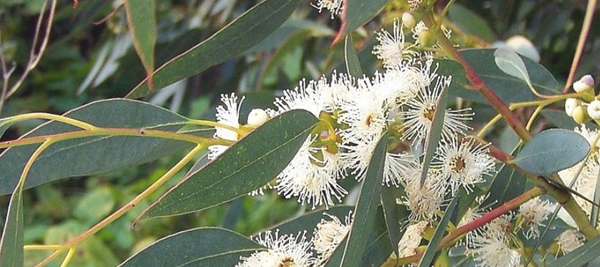
Regarding pathogen control, adding Eucalyptus Essential Oil to feed is suggested to help inhibit microbial activity and reproduction. Furthermore, eucalyptus essential oil has certain auxiliary anti-inflammatory effects, helping to reduce the risk of tissue and cellular damage from inflammatory responses during pathogenic infection.
References: [1] Lu Yiping, Ou Xiuying. Comparison of Benefits between Using Eucalyptus Essential Oil and Chemical Agents for Insect Control in Aquaculture [J]. Southern Agriculture, 2023, 17(24):49-51. DOI:10.19415/j.cnki.1673-890x.2023.24.016. [2] Zan Chunlan, Tang Haiqing, Ou Changrong, et al. Antibacterial Effect and Mechanism of Eucalyptus Leaf Essential Oil against Four Microorganisms in Aquatic Products [J]. Science and Technology of Food Industry, 2018, 39(19):20-26. DOI:10.13386/j.issn1002-0306.2018.19.004.